In that moment, I felt something — not offence, but unease. The fear that my work might be misunderstood. That someone might leave with the wrong conclusion.
But the question was entirely legitimate. We live in a world where anything is possible — extreme retouching, generated images, landscapes that never existed. In that context, asking whether an image is "real" is not an insult. It's a reasonable precaution.
I told him that yes, my photographs were natural, but that it depended on where you drew the line.
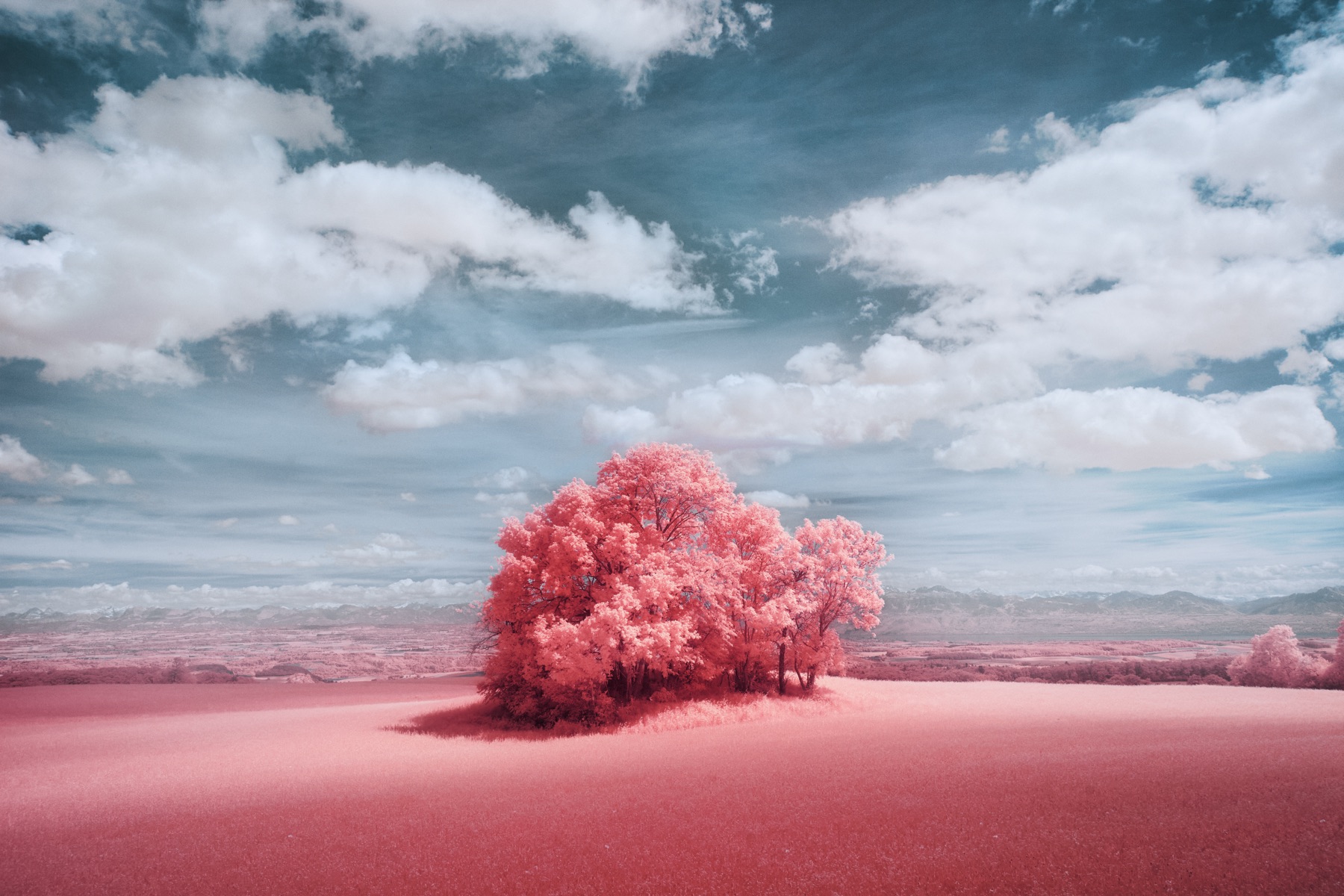
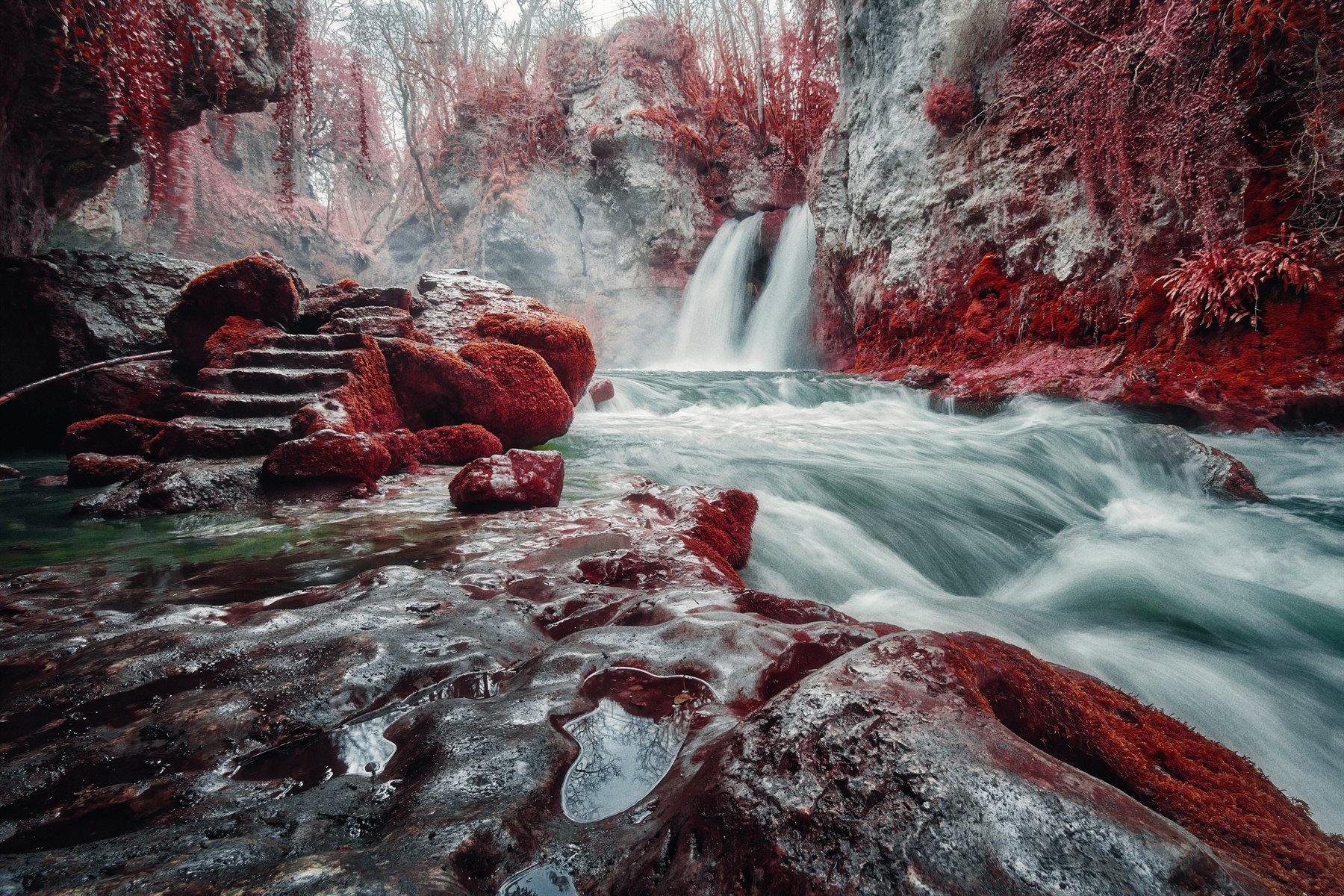
Infrared light exists. It passes through the atmosphere, reflects off leaves, clouds, snow. Our eyes don't perceive it — but it's there, real, physical. What I do is make it visible. Not invent it. Reveal it.
Unless clearly stated otherwise, nothing has been added. No landscape has been altered. These colours are not mine; they belong to the place, beyond our human limitations.
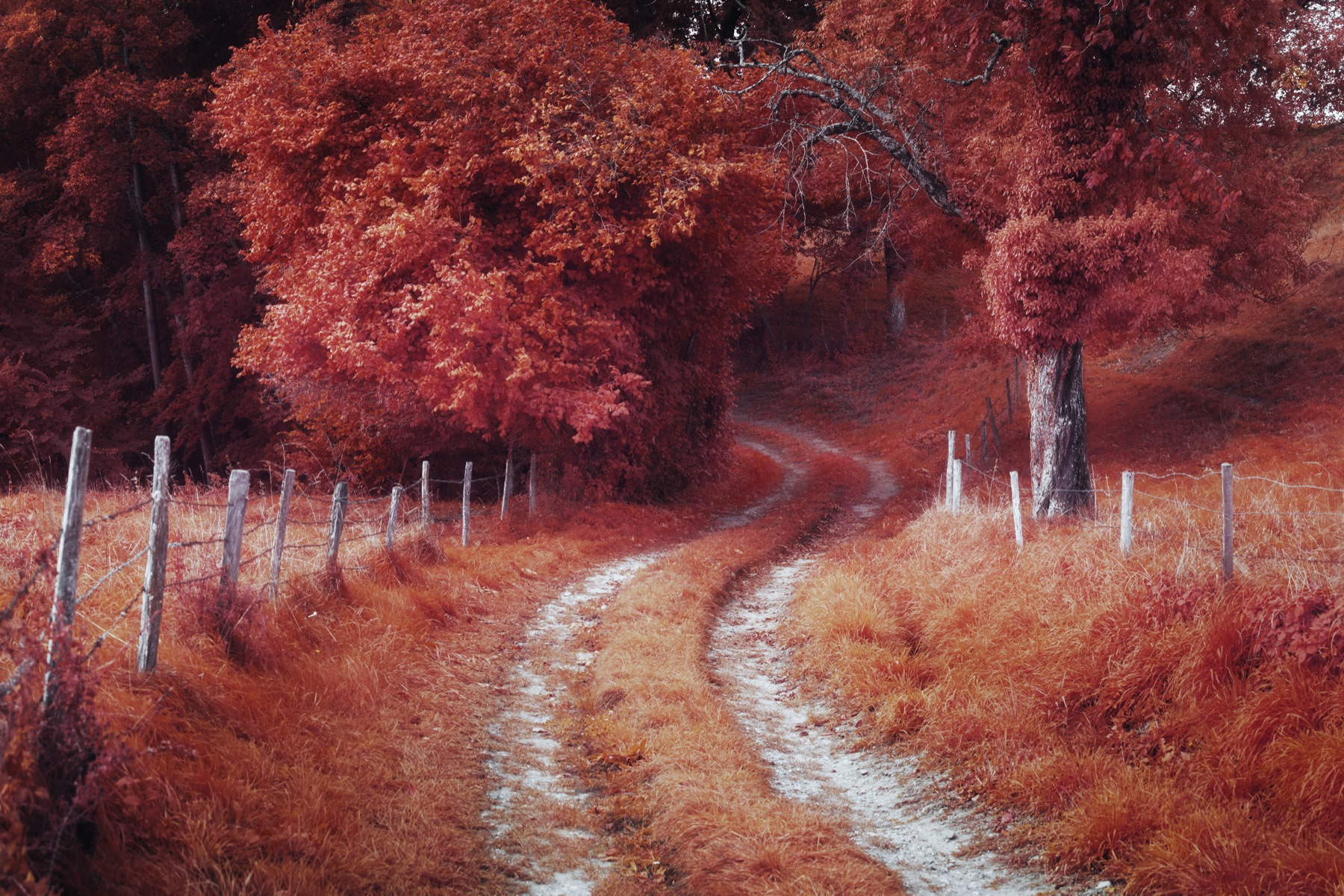
At the Rolle exhibition, the poster showed Île de la Harpe, a place photographed thousands of times, in every kind of weather and every season. Most visitors recognised it immediately. But none knew exactly why it looked "like that".
They stopped. They looked. They tried to understand.
That's when the title of the exhibition made complete sense: L'Autre Monde — The Other World.
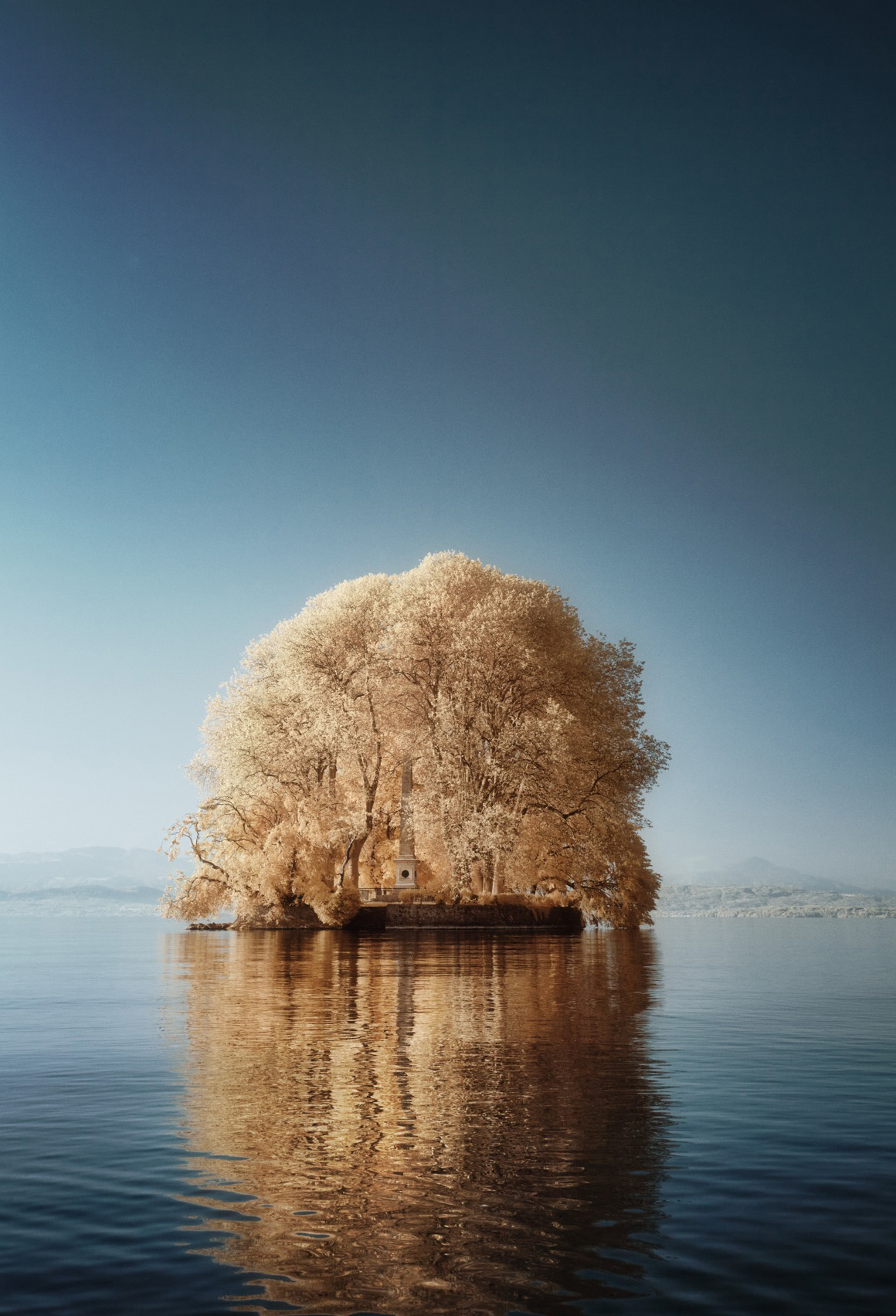
I photograph my region. I note the locations. Sometimes a visitor recognises their village, their forest, their lake — and stops in front of the image differently. Once they know where it is, I tell them they can go there. Find the angle. Align the foreground with the subject. Check.
That, for me, is the honesty of an image. Not the absence of processing — the possibility of verification. A generated image of a place doesn't have the right perspective, the right depth. You can't find the exact spot. You can't retake the photograph from the same position.
Mine, you can.
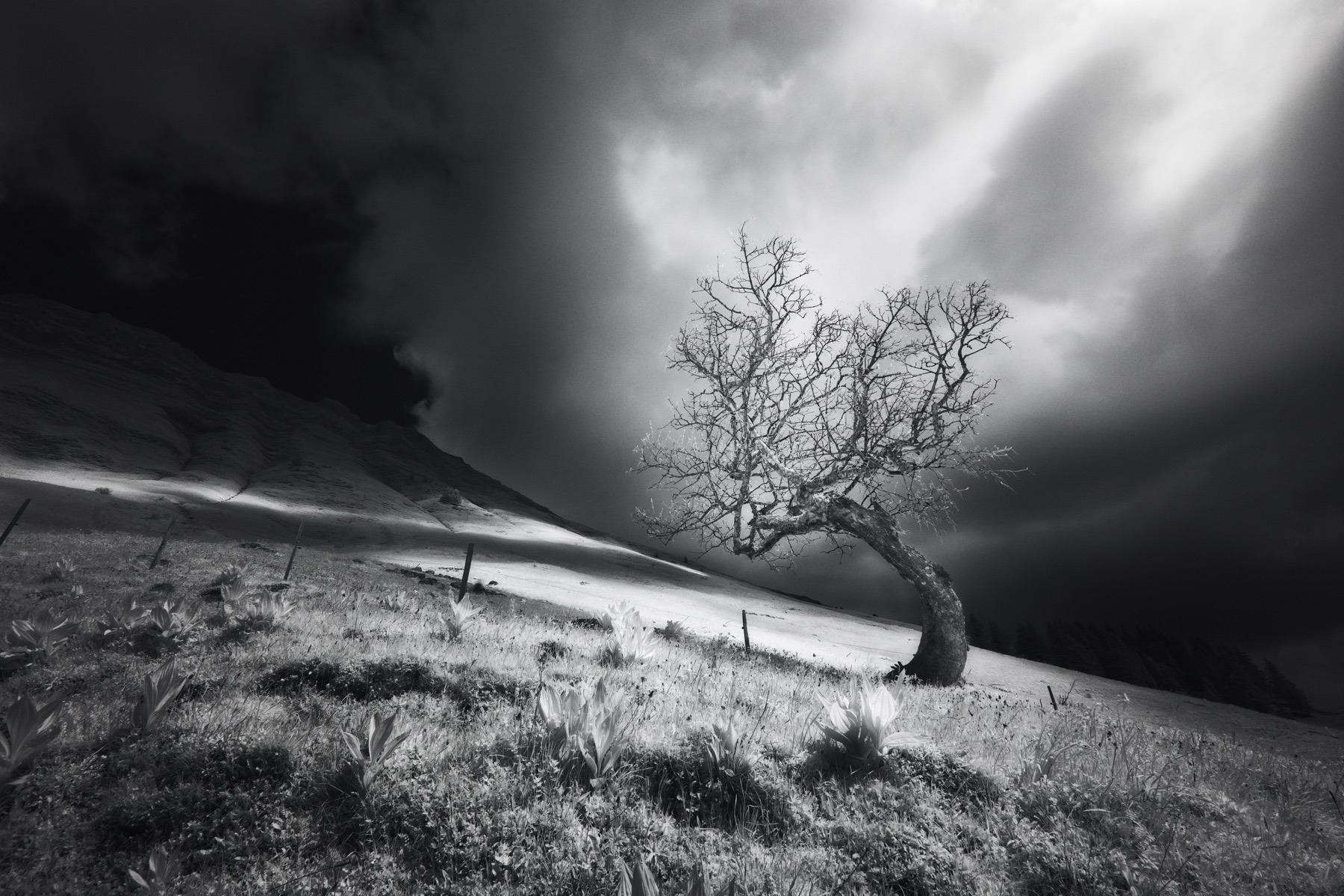
The visitor's question taught me more than I expected. In a world where the eye no longer always knows what it sees, showing something invisible is not a paradox — it may be the only way left to stay honest.